
Exploring the psychological tricks casinos use to keep you playing longer
The Allure of the Environment
Casinos are designed with a specific ambiance that invites players to stay longer. The bright lights, the vibrant colors, and the sounds of jingling coins create an atmosphere of excitement and anticipation. This sensory overload is intentional, as it stimulates the brain’s reward pathways, often resulting in players losing track of time and money. For those looking for a break from traditional betting, the best casinos not on gamstop can provide alternative experiences. The environment is crafted to create a sense of euphoria, leading individuals to believe they are on the cusp of a big win.
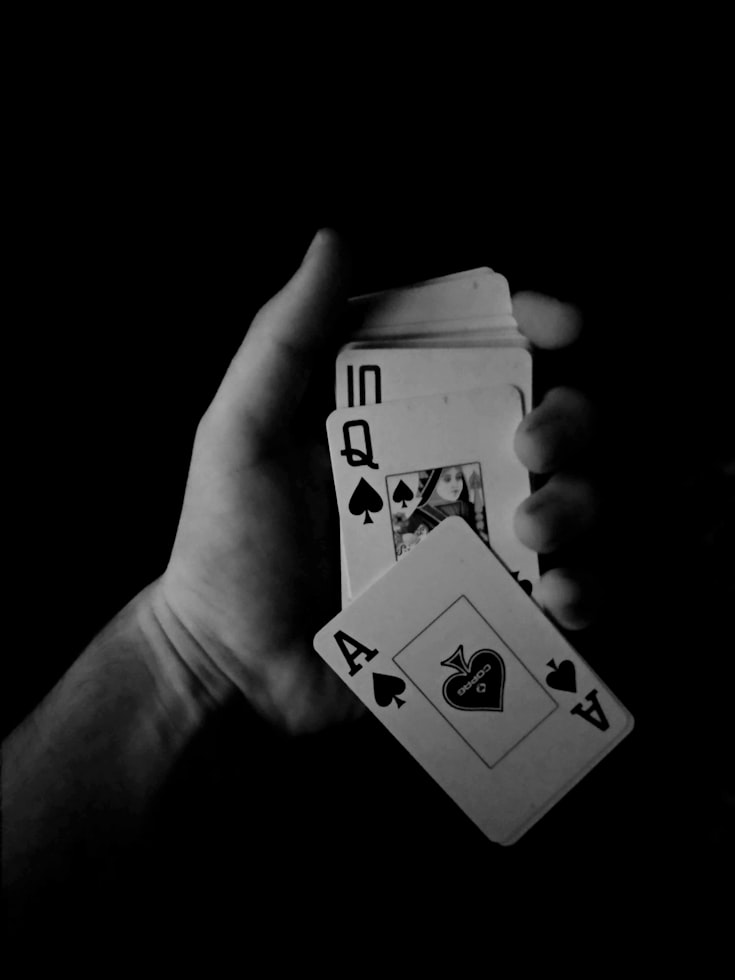
Moreover, casinos employ a lack of windows and clocks, further enhancing this disorienting experience. Players can become engrossed in gameplay for hours without noticing their surroundings or the passage of time. This manipulation of the physical environment plays a significant role in keeping gamblers engaged, as they become entranced by the ongoing experience without any reminders of the outside world.
The Psychology of Rewards
Understanding the psychology behind rewards is crucial in comprehending how casinos keep players hooked. The principle of intermittent reinforcement, where rewards are given unpredictably, fuels gambling behavior. This method of reward creates a cycle of anticipation and excitement, making players feel compelled to continue playing in hopes of winning again.
This psychological trick is particularly evident in slot machines, where players may receive small wins that encourage them to keep playing. The occasional payout, combined with the thrill of potential big wins, creates a compelling reason to stay engaged. This phenomenon explains why many individuals find it difficult to walk away, even when they may be losing money overall.
The Use of Social Influence
Casinos often leverage social dynamics to keep players engaged. The presence of other players creates an environment of camaraderie and shared excitement, which can amplify the experience. When players witness others winning, they may feel an urge to continue playing, believing they too can achieve similar success.
Additionally, casinos employ staff who interact with players, often celebrating wins and encouraging ongoing play. This positive reinforcement taps into social psychology, making individuals feel good about their time in the casino. The social aspect of gambling often creates a sense of belonging, which can further prolong the gambling experience.
The Role of Marketing and Loyalty Programs
Casinos invest heavily in marketing strategies and loyalty programs designed to retain players. Many establishments offer perks such as free drinks, meals, and accommodation to entice players to spend more time on the premises. Such incentives create an illusion of value, making players feel they are receiving benefits while engaging in their favorite pastime.
These loyalty programs also tap into the human desire for status and recognition. By tracking points and levels, casinos encourage players to chase higher statuses, often leading them to gamble more to reap additional rewards. This strategic marketing approach effectively keeps the players coming back, as they feel invested in both the game and the rewards system.

Empowering Responsible Gambling Awareness
While this article explores the psychological tricks casinos use, it’s essential to promote responsible gambling awareness. Understanding these tactics can help individuals make informed decisions about their gambling habits. Recognizing when a casino is manipulating psychological factors can enable players to take breaks and set limits.
The importance of awareness cannot be overstated. Many organizations are dedicated to helping individuals recognize the signs of problematic gambling behavior and encouraging responsible play. It is vital for players to remain conscious of their actions and prioritize balance, ensuring that gambling remains a form of entertainment rather than a detrimental habit.
