
Healing from the grip of gambling addiction steps to reclaim your life
Healing from the grip of gambling addiction steps to reclaim your life
Understanding Gambling Addiction
Gambling addiction, also known as compulsive gambling, is a behavioral disorder that affects many individuals, leading to detrimental consequences in their personal and professional lives. It can develop when the excitement and thrill of betting become overwhelming, causing an individual to prioritize gambling over important responsibilities. Understanding the psychological and emotional aspects of this addiction is crucial for developing effective healing strategies.
The compulsion to gamble often stems from various underlying issues, including stress, anxiety, or a desire to escape reality. Many individuals may initially engage in gambling as a form of entertainment but soon find themselves trapped in a cycle of debt and despair. Recognizing the signs of gambling addiction, such as lying about gambling habits or neglecting personal relationships, is the first step toward reclaiming one’s life.
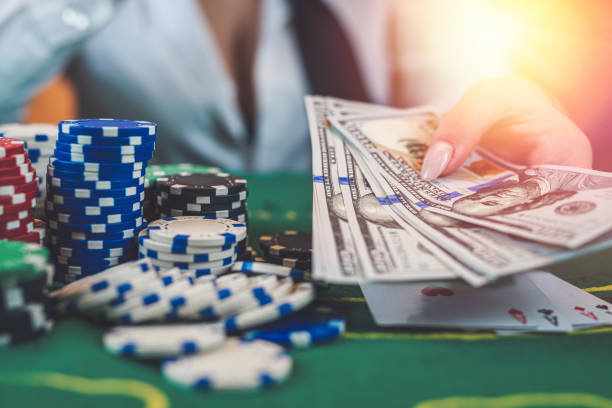
In addition to personal consequences, gambling addiction can impact families and communities as well. The ripple effect can lead to strained relationships, financial ruin, and even legal issues. Therefore, it is essential for those affected to seek help not just for themselves but for their loved ones as well, fostering an environment of support and understanding.
Taking Responsibility for Your Actions
One of the pivotal steps in healing from gambling addiction is taking responsibility for your actions. Acknowledging the impact of gambling on your life is vital to initiating change. This process often involves a deep self-reflection that may be uncomfortable but is necessary for recovery. Understanding how gambling has affected your finances, relationships, and mental health can provide clarity on the need for change.
Accountability also extends to addressing the financial implications of gambling addiction. Many individuals accumulate significant debts due to their gambling behaviors. It is essential to create a detailed plan for managing these debts, which may involve working with financial advisors or seeking professional help. This proactive approach can empower individuals to regain control over their finances and mitigate some of the damage caused by their addiction.
Moreover, engaging in self-forgiveness is a critical aspect of this journey. Many individuals feel immense shame and guilt about their gambling behaviors. Learning to forgive oneself can pave the way for healing and allow for the rebuilding of a positive self-image. This step not only aids in personal recovery but also fosters healthier relationships with others.
Seeking Professional Help
Professional help can be a game-changer in overcoming gambling addiction. Therapists who specialize in treating behavioral addictions can provide valuable insights and coping strategies tailored to an individual’s unique situation. Cognitive-behavioral therapy (CBT) is one approach that has shown promise in helping individuals challenge the harmful thoughts and beliefs that fuel their gambling behaviors.
Support groups, such as Gamblers Anonymous, can also play a vital role in recovery. These groups offer a safe space for individuals to share their experiences and learn from others who have faced similar challenges. The sense of community and shared understanding can provide encouragement and motivation, reinforcing the idea that recovery is possible.
Additionally, exploring alternative treatments such as mindfulness and meditation can aid in managing the stress and anxiety often associated with gambling addiction. These techniques can improve emotional regulation, helping individuals cope with triggers that may lead them back to gambling. A comprehensive approach that combines therapy, support, and self-care is essential for lasting recovery.
Building a Supportive Environment
Creating a supportive environment is essential for individuals recovering from gambling addiction. This involves surrounding oneself with individuals who understand the struggle and can offer encouragement and motivation. Friends and family can play a crucial role in this process by providing emotional support and helping to establish new routines that do not involve gambling.
Engaging in social activities that promote healthy connections is also beneficial. Finding hobbies or interests that provide fulfillment and joy can replace the thrill that gambling once provided. These new activities can help to fill the void left by gambling and promote a sense of purpose and belonging.
Moreover, setting boundaries is important for maintaining this supportive environment. This may involve distancing oneself from individuals who engage in gambling behaviors or avoiding places that trigger the urge to gamble. Establishing clear boundaries helps reinforce commitment to recovery and ensures that the path to healing remains a priority.
Exploring Responsible Gambling Resources
As individuals navigate their journey to recovery, they may also benefit from exploring responsible gambling resources. Many online casinos and betting platforms provide guidelines for safe gambling practices, emphasizing the importance of moderation and self-regulation. These resources can educate players on how to enjoy gambling without falling into addictive patterns.
Responsible gambling initiatives often include tools such as setting deposit limits, self-exclusion options, and access to support services. Familiarizing oneself with these options can empower individuals to engage in gambling activities more responsibly, should they choose to do so in the future. Understanding the risks and implementing safeguards can significantly reduce the likelihood of relapse.
Additionally, connecting with organizations dedicated to gambling addiction prevention can be beneficial. These organizations often offer educational programs and workshops designed to raise awareness about the dangers of gambling and promote healthy gaming habits. Such initiatives can foster a community focused on recovery and accountability, creating a network of support for those affected.
Enhancing Your Journey with Online Resources
While the journey to healing from gambling addiction can be challenging, numerous online resources can enhance the recovery process. Websites dedicated to gambling addiction often provide informative articles, expert advice, and forums for individuals seeking support. These platforms can serve as a valuable supplement to in-person therapy and support groups.
Online platforms also offer anonymity, making it easier for individuals to seek help without fear of judgment. The accessibility of these resources means that individuals can find support whenever they need it, whether through chat forums, articles, or virtual support groups. This flexibility can be crucial in maintaining momentum during recovery.
Furthermore, engaging with online communities can foster a sense of belonging. Sharing experiences and insights with others who understand the struggle can provide comfort and motivation. These interactions can remind individuals that they are not alone in their journey, reinforcing the belief that recovery is attainable and worth pursuing.
